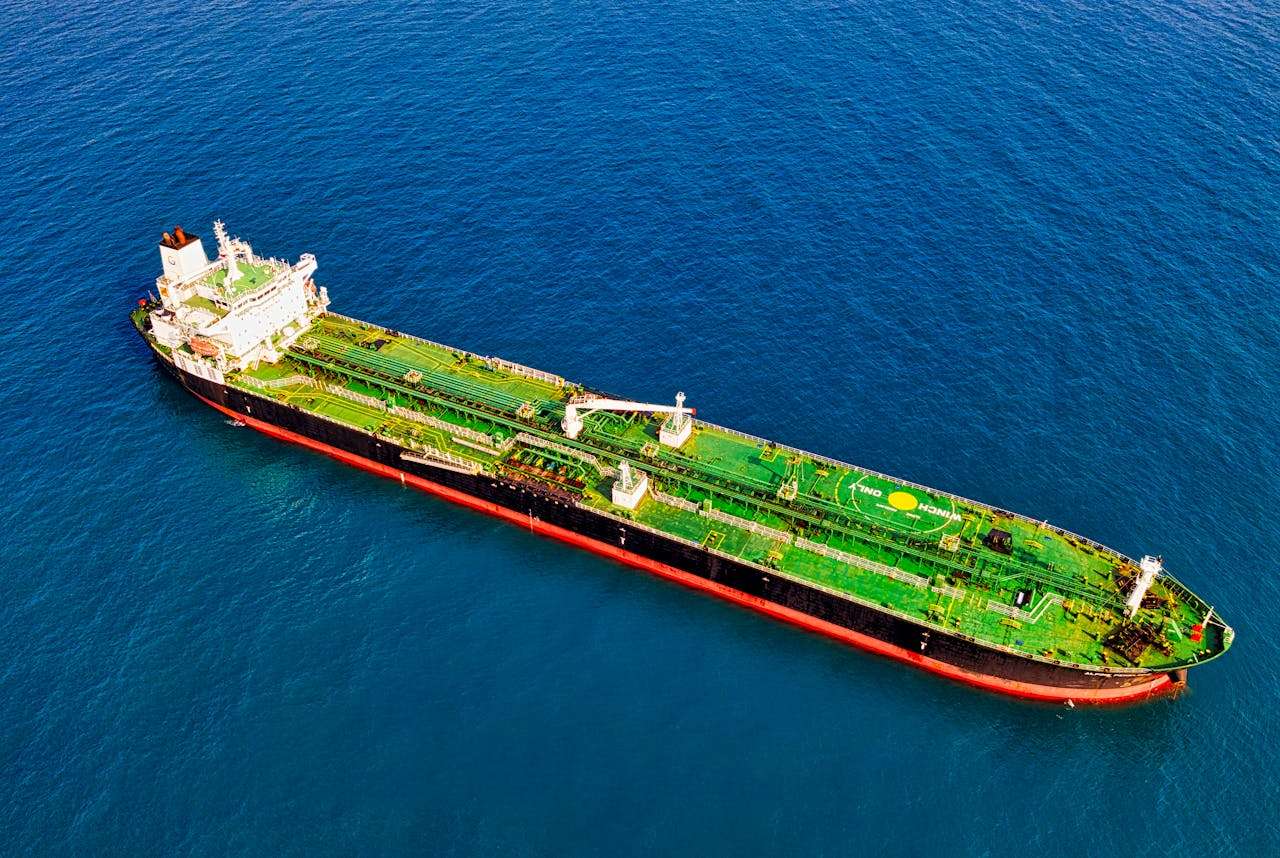

The maritime industry is entering a technological turning point in 2026. With the growing integration of smart sensors in modern ship engines, fleet operators are rethinking how they manage lubrication strategies. Adaptive lubrication – adjusting oil parameters in real-time based on sensor data – is becoming the new standard for efficient, cost-effective, and low-maintenance operations.
Smart Sensor Technology:
Modern sensors continuously monitor key parameters such as viscosity, Total Base Number (TBN), metal wear, and oil temperature. These insights allow fleets to conduct oil changes based on actual needs rather than fixed schedules, improving efficiency and engine protection.
Predictive Maintenance in 2026:
Adaptive lubrication is closely tied to predictive maintenance. Fleet managers can detect potential issues early, reduce wear, and avoid unplanned downtime – significantly lowering operational costs while extending engine life.
Advantages of High-Quality Oils:
Premium lubricants like Athen Marine provide stable oil properties that enable accurate sensor readings. High-quality oils maintain consistent performance under extreme conditions, ensuring that sensor-based systems operate at peak efficiency.
Compliance & Environmental Impact:
Fleet operators face increasing regulatory pressure in 2026. Adaptive lubrication helps meet IMO and EU standards while reducing unnecessary oil consumption and associated emissions.
Adaptive lubrication is no longer a future concept – in 2026, it’s a practical reality for modern fleets. By combining smart sensors with premium marine oils, shipping companies can reduce costs, protect engines, and ensure regulatory compliance. Athen Marine offers the high-performance oils that make this technology possible – stable, reliable, and sensor-ready.
Discover how Athen Marine can make your fleet smarter, more efficient, and sustainable in 2026: athenmarine.com